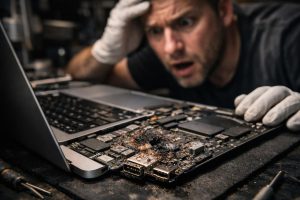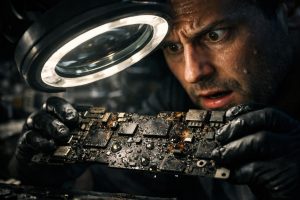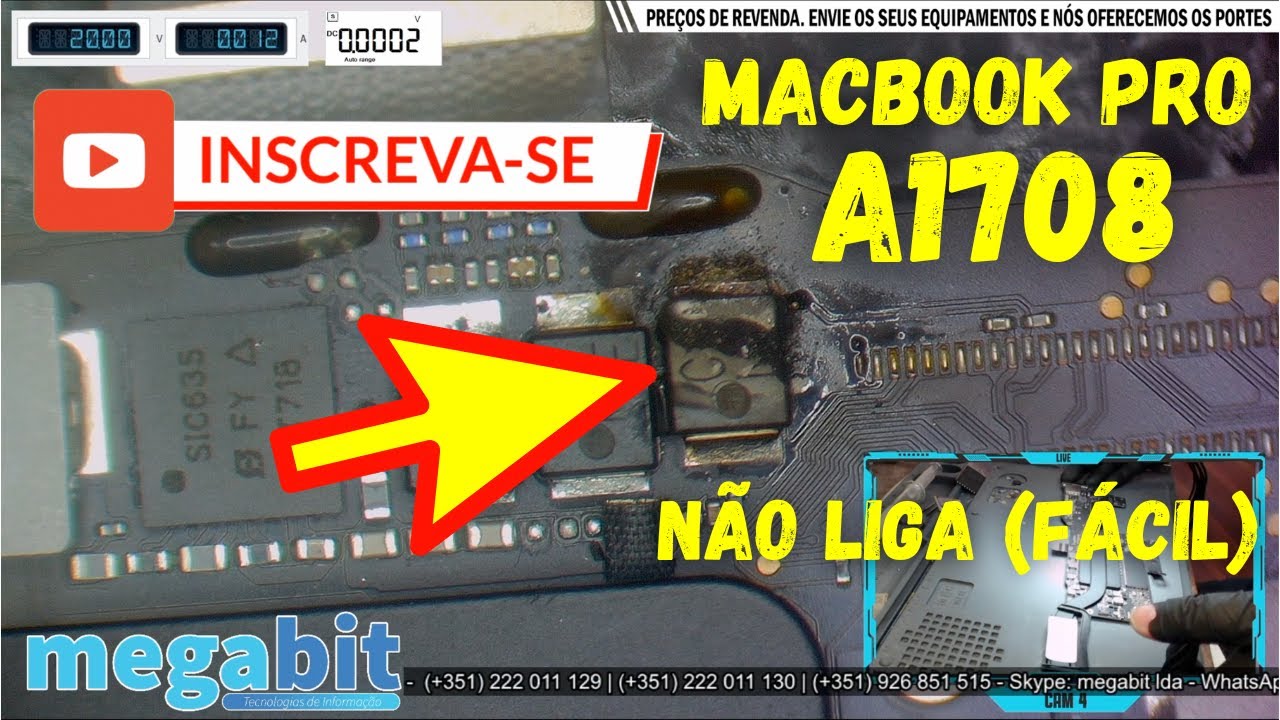
This MacBook Pro A1708 stopped turning on from one moment to the next, with no apparent reason. The analysis showed that a capacitor had burnt out and was the cause of the fault. After the damaged component was replaced, the equipment worked normally again.
Repair record
- Equipment: MacBook Pro 13″ A1708
- Symptom: suddenly stopped turning on
- Cause found: burnt capacitor
- Repair: capacitor replacement
- Result: the MacBook worked normally again
Component-level repair
Instead of replacing the entire board, we locate the faulty component and replace it. The repair is much cheaper than replacing the board or the equipment and, in many cases, allows you to keep the MacBook and the data.
Does your MacBook have a similar fault?
We diagnose and repair MacBook boards in our lab in Porto’s Baixa district. If you can’t come in person, you can send the equipment by courier. Learn more about MacBook repair in Porto or Apple repairs by mail.
See more board repairs on our MEGABIT Lab YouTube channel.
.mbvg{margin:8px 0 0}.mbvg h3{font-size:20px;font-weight:700;color:#0a1a2f;margin:0 0 16px;text-align:center}.mbvg ul{list-style:none!important;margin:0!important;padding:0!important;display:grid;grid-template-columns:repeat(3,minmax(0,1fr));gap:16px}.mbvg li{margin:0!important;padding:0!important;list-style:none!important}.mbvg li::before,.mbvg li::marker{content:none!important}.mbvg-card{display:flex;flex-direction:column;height:100%;box-sizing:border-box;background:#fff;border:1px solid #e3eaf3;border-radius:14px;overflow:hidden;box-shadow:0 10px 28px rgba(10,26,47,.08);text-decoration:none!important;transition:transform .15s,box-shadow .15s,border-color .15s}.mbvg-card:hover{transform:translateY(-2px);border-color:#0b6bcb;box-shadow:0 14px 32px rgba(10,26,47,.14)}.mbvg-img{position:relative;display:block;aspect-ratio:16/9;background:#0a1a2f}.mbvg-img img{display:block;width:100%!important;height:100%!important;object-fit:cover;margin:0!important;border-radius:0!important}.mbvg-play{position:absolute;left:50%;top:50%;width:46px;height:32px;margin:-16px 0 0 -23px;border-radius:9px;background:rgba(220,38,38,.92);display:flex;align-items:center;justify-content:center;color:#fff;font-size:15px}.mbvg-body{display:flex;flex-direction:column;gap:6px;padding:12px 14px 14px}.mbvg-tag{font-size:11.5px;font-weight:700;letter-spacing:.06em;text-transform:uppercase;color:#0b6bcb}.mbvg-t{font-size:15.5px;font-weight:600;line-height:1.35;color:#0a1a2f}@media(max-width:1024px){.mbvg ul{grid-template-columns:repeat(2,minmax(0,1fr))}}@media(max-width:640px){.mbvg ul{grid-template-columns:1fr}}More board repair videos
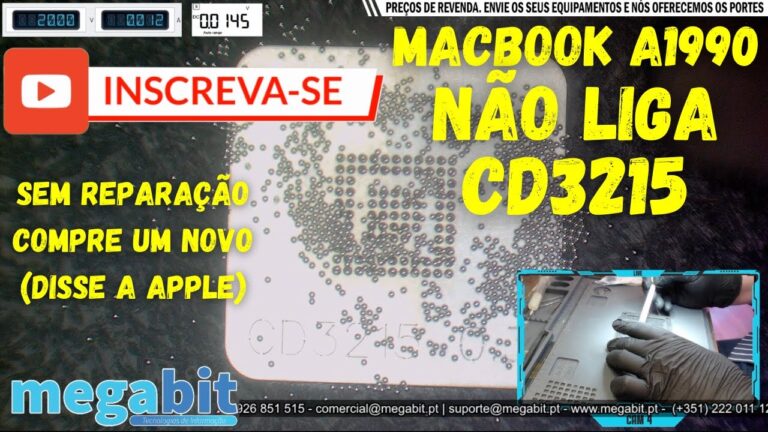 MacBook Pro A1990Won’t turn on: CD3215 burnt out
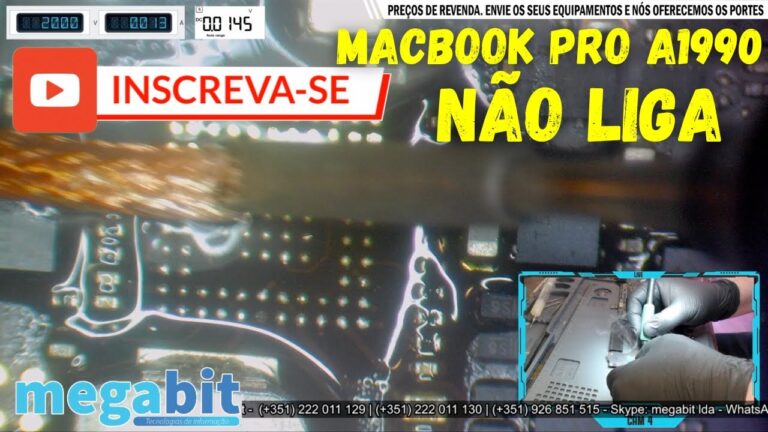 MacBook Pro A1990Won’t turn on: burnt chip
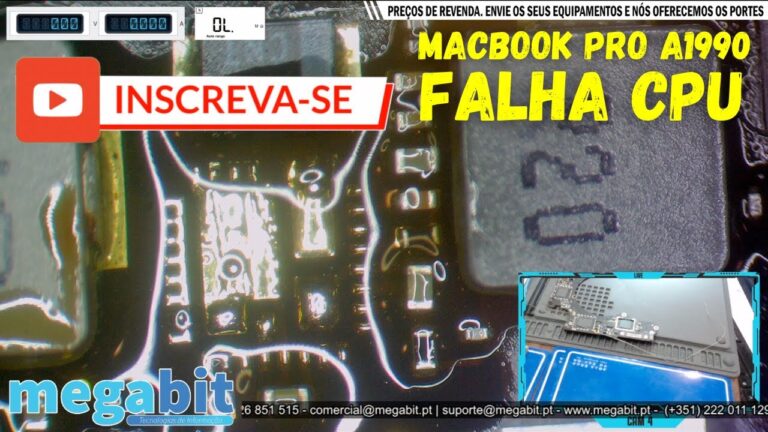 MacBook Pro A1990Short-circuited components
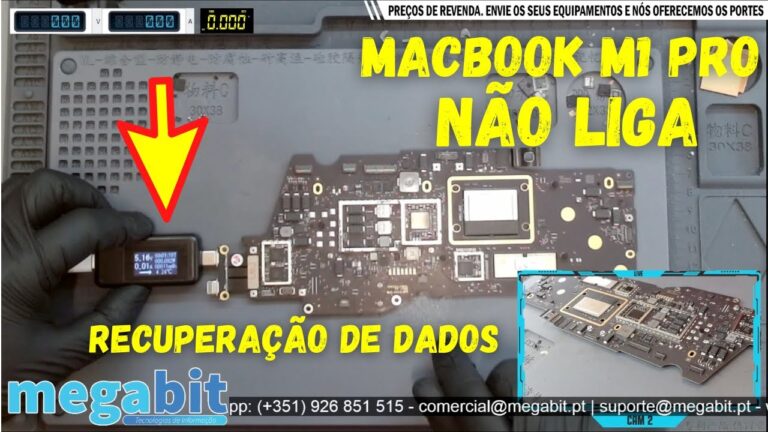 MacBook Pro M1Liquid contact and data recovery
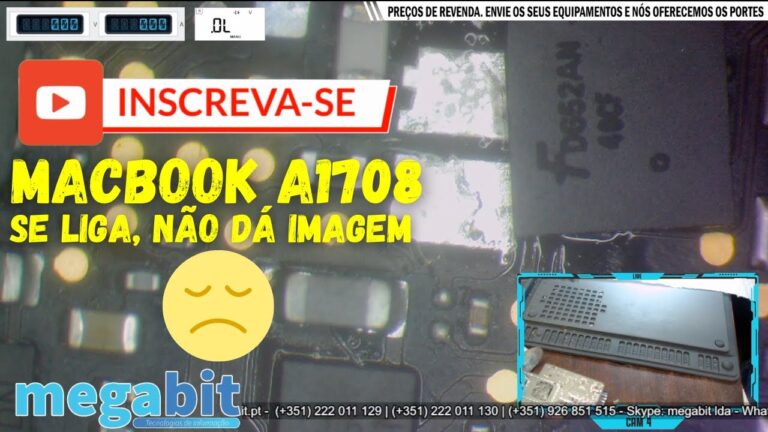 MacBook Pro A1708No display: multiple CD3215
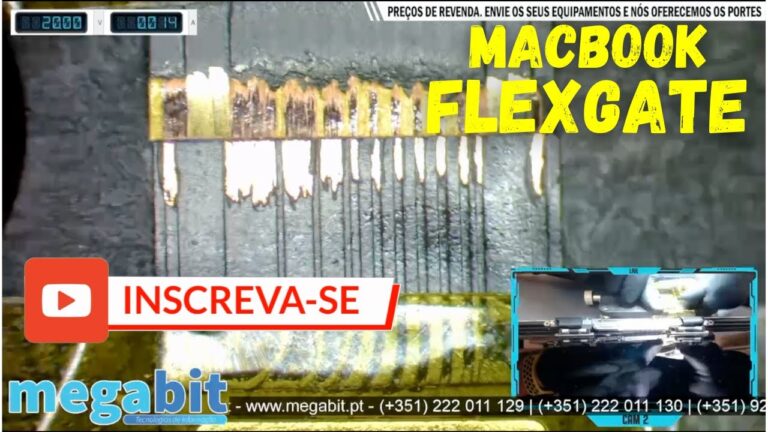 MacBook Pro A1706 and A1708Flexgate
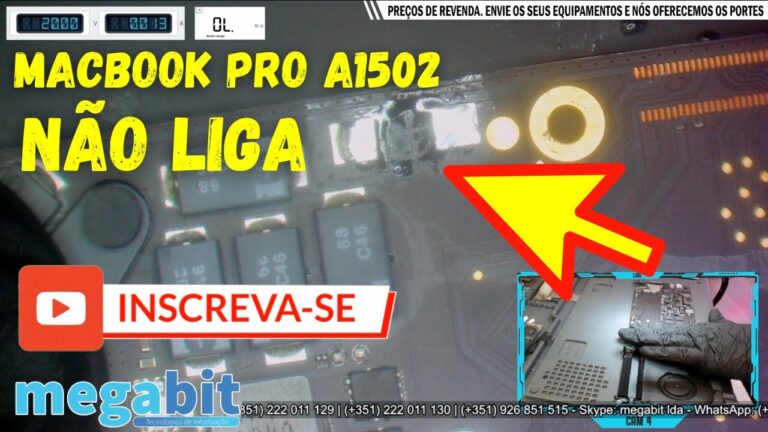 MacBook Pro A1502Won’t turn on: short-circuited component
 MacBook Pro A1502Short-circuited capacitor
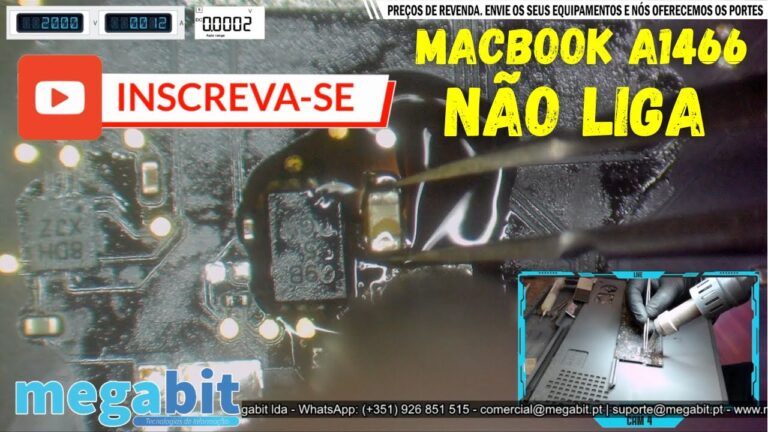 MacBook Air A1466Won’t turn on: oxidation
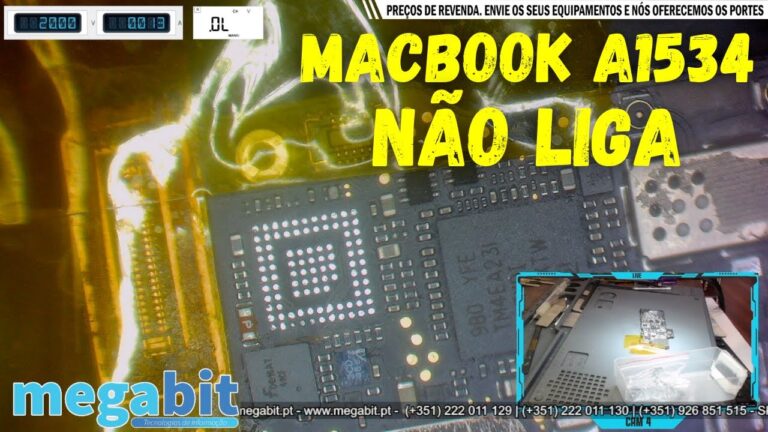 MacBook A1534Won’t turn on: short-circuited CD3215
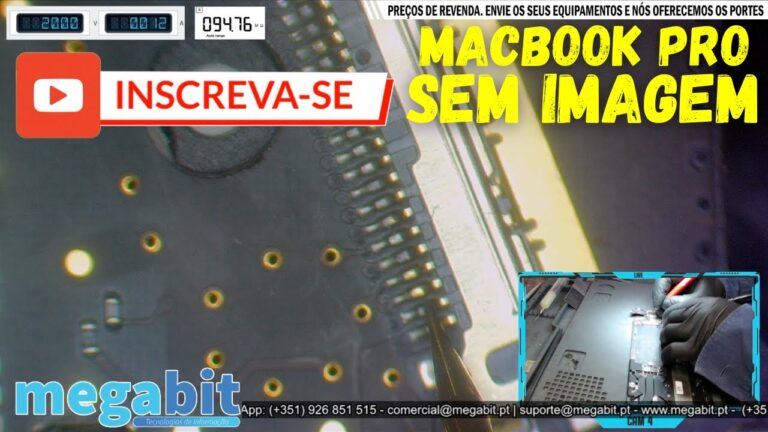 MacBook ProNo display: leaking capacitor
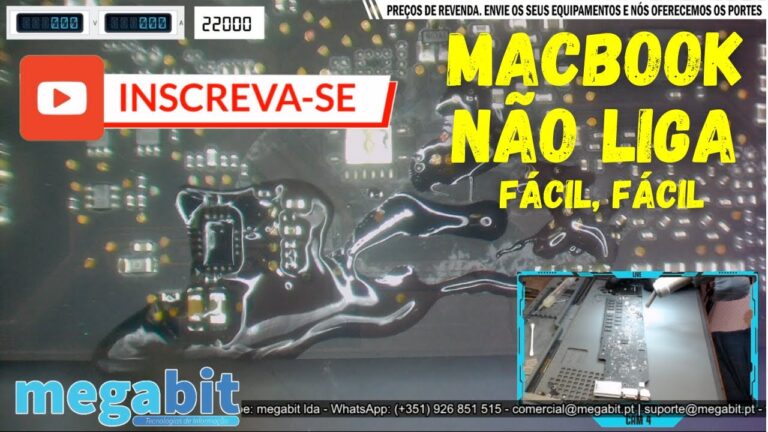 MacBookWon’t turn on after liquid contact
Want to be notified when we publish our next article or video?
Free. Get notified as soon as we publish. No spam, easy to unsubscribe.